
Why Rivalry Week Brings Out the Best in Every Team
A normal matchup can decide standings, but a rivalry can decide how a season is remembered. Players feel it in the walk from the tunnel, coaches feel it in every call, and fans feel it long before kickoff, tipoff, or first pitch. That is why Rivalry Week still hits different across the United States: it turns familiar opponents into emotional measuring sticks. From college football Saturdays to NBA division battles and high school games under cold Friday lights, rivalries carry history that statistics never fully explain. They make effort visible. They expose nerves. They reward teams that can stay sharp when the noise gets personal. For fans, platforms that cover local sports stories, community matchups, and public momentum through sports-focused media coverage help show why these games become bigger than one result. The best rivalries are not built on hate alone. They are built on memory, pressure, and the belief that beating this opponent means more than beating anyone else.
Why Rivalry Week Changes the Emotional Weight of Competition
Every team says it prepares the same way for every opponent, but players know that is not how the body works. A rivalry game adds history to the scoreboard before the first whistle sounds. The locker room feels tighter, the crowd gets louder, and every mistake seems to carry extra weight because the opponent is not faceless. They know your habits, your weak spots, your traditions, and the exact ways to annoy you.
Team pride turns routine preparation into personal responsibility
Team pride becomes stronger when the opponent has a name that stings. In a normal game, a missed assignment might frustrate the sideline for a few plays. Against a rival, that same mistake can follow a player through the entire week because everyone around the program understands what it cost.
You see this often in American college sports, where alumni, students, and families carry old games like family stories. A freshman may arrive with no personal history against the rival, but by midweek, he has heard enough from coaches, seniors, and fans to understand the assignment. Team pride is inherited fast in those environments.
That pressure can sharpen focus in a healthy way. Players study extra film because they do not want to be the reason the streak ends or the trophy leaves campus. The strange part is that fear is not always harmful. In the right locker room, it becomes discipline.
High-stakes games expose who can play clean under heat
High-stakes games do not always produce the prettiest performances, and that is part of their charm. The best teams are not the ones that feel no pressure. They are the ones that keep their technique when the pressure tries to hijack their habits.
A rivalry can turn a simple third down, free throw, penalty kill, or late-inning at-bat into a test of nerve. The crowd reacts before the play even develops, and players must sort real information from emotional noise. That is where coaching shows. A prepared team does not chase the moment; it narrows it.
American fans remember late-game errors in rivalries because those errors feel heavier than the same mistakes in ordinary matchups. A blown coverage in September might fade. A blown coverage against a rival can become shorthand for an entire season. High-stakes games punish loose thinking, but they also give disciplined teams a stage worth owning.
How Rivalries Reveal a Team’s Real Competitive Character
A rivalry strips away the polite version of a team’s identity. Coaches can talk about toughness, unity, and execution all season, but a familiar opponent forces proof. The rival knows what buttons to press. They know which players lose patience, which defenses overreact, and which stars want to do too much when the crowd starts leaning into them.
College football rivalries create pressure before the first snap
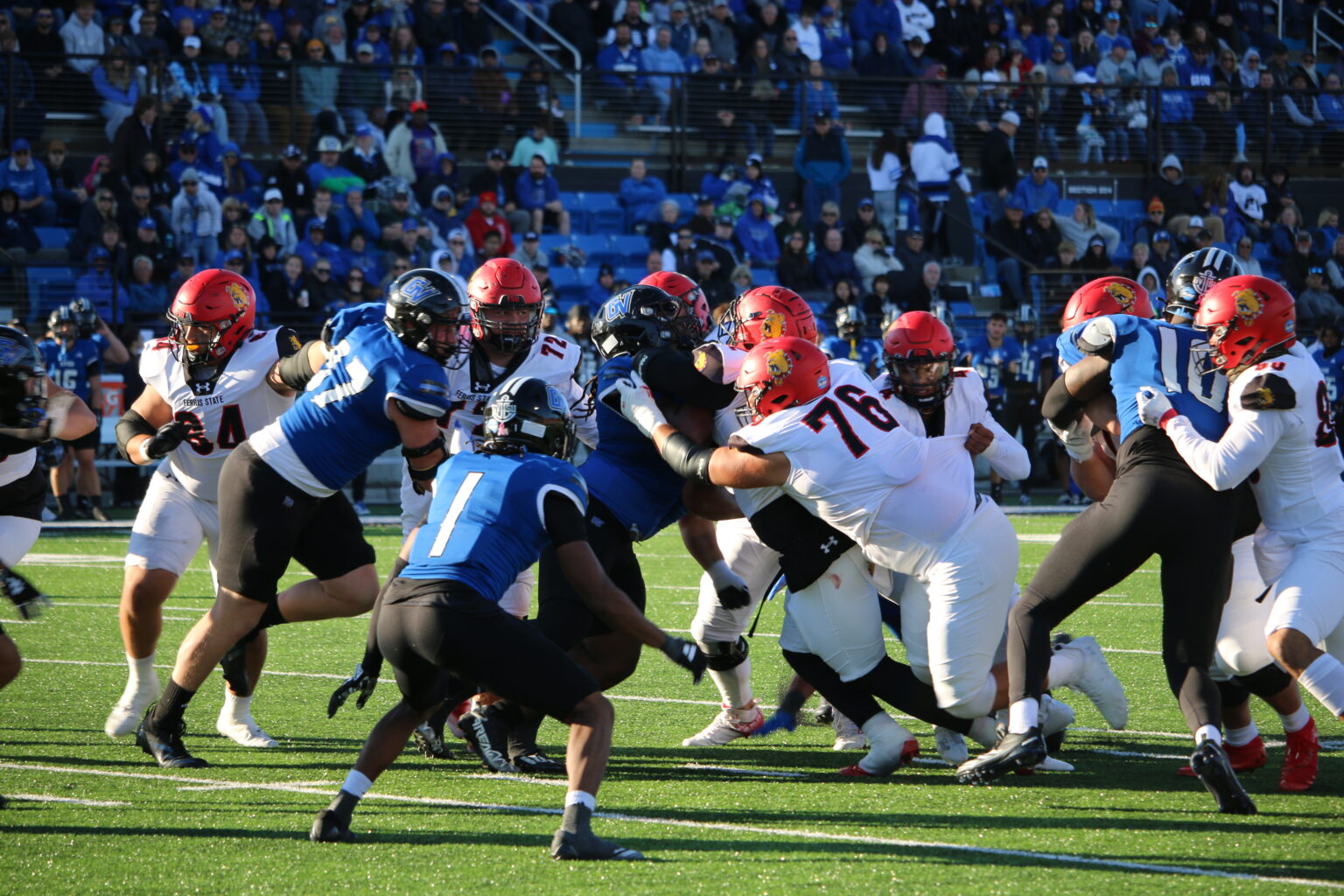
College football rivalries may be the clearest American example because the tension starts days before the game. Campus signs go up, old highlights return to social feeds, and every conversation in town begins to bend toward Saturday. By kickoff, the game already feels crowded with ghosts.
That build-up can help underdogs. A team with a losing record may look ordinary on paper, but rivalry emotion can pull a cleaner, meaner version of that team into view. Coaches love to say records do not matter in rivalry games because they often do not tell the full truth. Familiarity narrows gaps.
Still, emotion alone does not win. College football rivalries often reward the team that can absorb the first punch without turning reckless. The player who tries to make five plays at once usually makes none. The player who does his job with anger under control changes the game.
Familiar opponents punish lazy habits faster
Familiarity sounds comfortable, but in sports it can be ruthless. A rival does not need months of scouting to know your favorite route combination, your late-clock set, or your pitcher’s comfort zone. They have lived against your tendencies.
That is why rivalry matchups can feel so intense even when neither team plays at a championship level. The teams know each other too well for easy tricks. A soft closeout, a missed block, or a careless pass gets attacked at once because the opponent has been waiting for it.
This is where character stops being a slogan. A team that relies only on talent often gets pulled into frustration. A team built on habits has something to fall back on when the game gets ugly. Rivalries do not create weaknesses from nothing; they drag them into public view.
Why Fan Energy Makes Rivalry Games Feel Bigger Than the Schedule
The crowd is not background noise in a rivalry. It is part of the event’s architecture. In many American towns, rivalry games connect schools, families, neighborhoods, and generations. The team plays the game, but the community supplies the emotional charge that turns one date on the calendar into a shared ritual.
Fan energy changes the rhythm inside the arena
Fan energy can speed up a team that needs calm or wake up a team that has gone flat. Anyone who has watched a home crowd rise after a defensive stop knows the shift. Players start moving with more edge, the bench stands longer, and the opponent suddenly has to execute through a wall of sound.
The danger is that emotion can tempt players into performance instead of execution. A guard may force a pass after the crowd roars. A linebacker may overrun a play because he wants the hit that shakes the stadium. Fan energy gives teams fuel, but fuel still needs steering.
The best rivalry teams use the crowd without surrendering to it. They let the noise lift their effort while keeping their choices clean. That balance is rare, and it is one reason rivalry wins feel earned rather than handed over by atmosphere.
Local identity turns one game into a shared memory
Local identity gives rivalries their staying power. A regular-season win may matter for standings, but beating the school across town or the conference opponent everyone in the family argues about can become part of how fans mark time. People remember where they sat, who they watched with, and how the final seconds felt.
In the United States, this shows up at every level. A small-town high school rivalry can pack stands with people who graduated decades earlier. A pro rivalry can divide offices, bars, and families for a full week. The game becomes a social event with a scoreboard attached.
That shared memory gives athletes a rare kind of responsibility. They are not only playing for themselves. They are carrying a story that existed before them and will keep going after them. That sounds dramatic until you see a crowd storm a field or a gym shake after a buzzer-beater. Then it makes perfect sense.
Why Rivalry Week Still Creates Season-Defining Performances
The best rivalry performances often come from players who understand the moment without becoming trapped by it. Stars may deliver the headline, but role players, backups, and special teams units often decide these games because rivals force everyone into uncomfortable moments. That is the secret: rivalry pressure spreads across the whole roster.
Coaches win by controlling emotion, not killing it
Good coaches do not tell players to ignore the rivalry. That would be dishonest, and players can smell dishonest coaching from across the locker room. Smart coaches name the emotion, respect it, and then build a plan that gives it somewhere useful to go.
A defensive coach might simplify calls early so players can hit without thinking too much. A basketball coach might run the first play for a nervous scorer to settle him. A baseball manager might remind hitters not to chase the pitch the rival wants them to chase. Small choices matter because the emotional temperature is already high.
The counterintuitive truth is that calm teams are not always quiet teams. Some teams play best with visible fire. The key is whether that fire serves the plan. When emotion becomes structure, rivalry pressure starts helping instead of hurting.
Rivalry wins can reset belief across a roster
A team can change how it sees itself after beating the opponent everyone circled. One win does not erase flaws, but it can prove that the group has more fight than its record suggested. Belief matters because athletes do not perform only from skill. They perform from the story they believe about who they are.
This is why a rivalry upset can rescue a season emotionally even when standings barely move. Players walk back into practice with evidence. Coaches can point to a hard moment and say, “That version of us is real.” Fans begin to buy in again, and the next game no longer feels like a burden.
That is the lasting pull of Rivalry Week. It gives teams a chance to show a sharper identity under pressure, and it gives fans a reason to care beyond the math. The next time your team faces its rival, watch less for the final score and more for the habits that survive the heat. That is where the truth of the team lives.
Frequently Asked Questions
Why does Rivalry Week matter so much in American sports?
It matters because rivalries carry history, emotion, and community pride into one game. Players know the result will be remembered longer than a normal matchup, and fans treat it as a test of identity, not only performance.
How do rivalry games affect team performance?
Rivalry games raise intensity and make small details feel larger. Teams often play with more urgency, but that same emotion can create mistakes if players lose patience, abandon technique, or chase highlight moments instead of clean execution.
Why do underdogs often play better in rivalry games?
Underdogs gain belief because rivalry games shrink the emotional gap between teams. Familiar opponents feel beatable, crowds bring energy, and players often find extra focus when they know one win can change how the season feels.
What makes college football rivalries different from normal games?
College football rivalries connect campuses, alumni, traditions, trophies, and regional pride. The buildup starts long before kickoff, so players enter a setting filled with memory and pressure that rarely exists in standard conference games.
How does fan energy influence rivalry matchups?
Fan energy changes pace, confidence, and emotional pressure. A loud crowd can lift the home team, rattle opponents, and make routine moments feel larger, especially late in close games when every possession carries extra weight.
Why do players remember rivalry wins for years?
Players remember them because those wins come with emotional proof. Beating a rival validates effort, earns respect from fans and teammates, and often becomes part of a team’s story long after the season ends.
Can rivalry pressure hurt a team?
Pressure can hurt a team when emotion turns into rushed decisions, penalties, forced shots, or poor communication. The best teams feel the moment but keep their habits intact when the crowd and opponent try to pull them off balance.
What should fans watch for during a rivalry game?
Fans should watch how teams respond after mistakes. The real story often appears after a turnover, missed shot, bad call, or early deficit. Rivalries reveal which teams can reset quickly and which ones let emotion take control.