
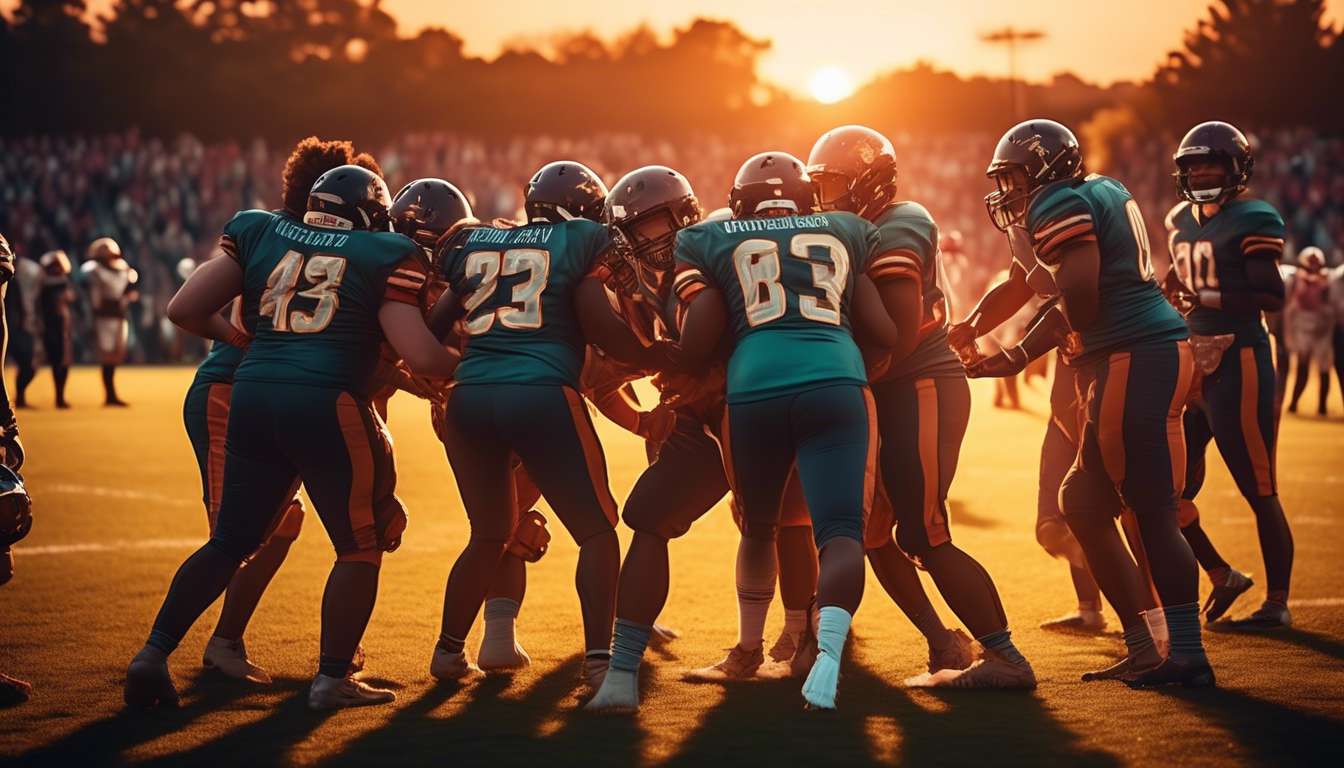
Why Strong Team Chemistry Matters During Close Contests
A close game exposes everything a team has tried to hide. When the scoreboard tightens, the crowd gets louder, and every possession feels heavier, talent alone stops being enough. That is where team chemistry becomes more than a nice locker-room phrase; it becomes the quiet force that decides whether players tighten up or trust each other. Across American sports, from Friday night football in Texas to NBA playoff games in Boston, the teams that survive tense finishes often share something deeper than skill. They know each other’s habits, moods, strengths, and pressure points. They communicate before the mistake happens. They recover faster after it does. Fans may notice the final shot, the fourth-down stop, or the walk-off hit, but the foundation usually forms long before that moment. Even brands studying fan behavior and sports media visibility understand that the story behind winning often starts with connection, not statistics. Close contests do not create character out of nowhere; they reveal which teams built enough trust to handle the heat.
How Trust Turns Pressure Into Clear Decisions
Tight games create noise, but strong teams know how to cut through it. The final minutes are not the place for players to start learning who they can count on. That bond has to exist already, built through practices, film sessions, long road trips, and the quiet moments nobody outside the building ever sees.
Why team trust matters when the scoreboard tightens
Team trust changes the way athletes process late-game pressure. A quarterback who trusts his receiver will throw before the break because he knows the route will be run the right way. A point guard who trusts a teammate will give up a decent shot for a better one because he believes the next pass will come back if needed. That kind of confidence saves time, and in close games, time is oxygen.
The counterintuitive part is that trust does not always look calm. Sometimes it looks like hard words in a timeout or a veteran grabbing a younger player by the jersey and pulling him back into the moment. American sports culture often celebrates the heroic individual, but close contests usually reward the group that can absorb pressure without turning against itself.
A team without trust starts hunting for someone to blame before the game is even over. Players hesitate, coaches overcorrect, and simple actions become loaded with fear. Once that happens, the opponent does not need to dominate. It only needs to wait.
How late-game pressure exposes weak connections
Late-game pressure has a way of finding the soft spots. A team can hide poor communication during a comfortable win because mistakes get buried under a big lead. In a one-score NFL game or a tied college basketball matchup, every missed switch, delayed rotation, or careless pass becomes a public problem.
You can see this during March basketball, when teams with less star power sometimes beat deeper rosters. They do not panic after a bad whistle. They do not splinter after a missed free throw. Their body language stays connected, and that matters more than people admit.
Close games reward emotional discipline as much as tactical skill. The teams that keep talking, pointing, listening, and moving with purpose usually give themselves one more clean chance. One more clean chance can be enough.
Communication Becomes a Competitive Edge
Trust gives players permission to act. Communication gives that trust a shape. In close contests, the best teams do not speak more for the sake of noise; they speak with timing, clarity, and purpose. That difference separates helpful talk from clutter.
Why close games punish silent teams
Close games punish silence because silence creates assumptions. A safety assumes the corner has help. A defender assumes the screen is being called out. A baseball infielder assumes someone else will take charge on a shallow fly ball. Those tiny gaps look harmless until the game turns on one missed signal.
Strong communication is not limited to speeches in huddles. It shows up in hand signals, eye contact, bench reactions, and the way veterans guide younger players between plays. In the NBA, you often see experienced teams talking through defensive assignments before the offense even crosses half court. That is not theater. That is preparation showing its face.
A quiet team can still win with superior talent, but silence becomes expensive against equal competition. The higher the stakes, the more each player needs proof that everyone else sees the same picture.
How locker room culture shapes in-game response
Locker room culture sounds soft until the game gets hard. Then it becomes visible. A team that allows honest correction behind closed doors usually handles public pressure with less drama because players already know how to hear the truth without taking it as disrespect.
Good locker room culture does not mean everyone is best friends. That idea belongs on posters, not in serious competition. Strong teams can include clashing personalities, intense leaders, and players who socialize in different circles. What matters is whether they share standards when the game gets tight.
This is why coaches in the United States often talk about “player-led” teams. The phrase can sound overused, but the idea is real. When the best players set the emotional temperature, coaches do not have to drag the group back into focus after every mistake.
Role Clarity Keeps Close Contests From Turning Chaotic
Pressure makes players want to do more. That instinct feels noble, but it can break a team. In close contests, the most connected groups understand who should create, who should screen, who should defend the top threat, and who should steady the room when nerves rise.
Why defined roles help players stay aggressive
Clear roles do not limit players; they free them. A bench guard who knows his job is to defend full court and hit open corner threes can play fast because he is not trying to prove he deserves every shot. A linebacker who knows his assignment can attack downhill instead of guessing.
This matters in American high school and college sports as much as it does in pro leagues. Young athletes often struggle in tight games because they mistake urgency for improvisation. They try to make the big play instead of the right play. Coaches trust players who know the difference.
Team chemistry often shows up through role acceptance rather than highlight moments. The player who sets a hard screen with no chance of touching the ball may decide the game without appearing in the box score. Connected teams understand that invisible work still counts.
How coaches build confidence before tense finishes
Coaches cannot manufacture belief in the final timeout. They have to build it earlier through repeated situations that feel close to real pressure. End-of-game drills, special teams periods, two-minute offense, free-throw pressure sets, and defensive communication work all serve the same purpose: remove surprise from the biggest moments.
A smart coach also knows when to stop talking. Players need direction, but they also need ownership. If every late-game choice flows from the sideline, athletes may freeze when the plan breaks. The best preparation teaches them how to solve problems together when the script gets torn up.
There is a hard truth here. Some teams only learn their roles after losing a close one. That loss can sting for weeks, but it often gives the group a shared scar. Used well, that scar becomes instruction.
Emotional Balance Decides Who Finishes Strong
The final stretch of a close game is emotional theater. Fans feel it, players feel it, and coaches feel it even when they pretend otherwise. The question is not whether emotion appears. The question is whether the team can carry it without letting it steer the wheel.
Why team trust steadies emotional swings
Team trust protects players from spiraling after a mistake. A missed layup, blown coverage, or strikeout with runners on base can swallow an athlete if he feels alone. When teammates respond with quick correction instead of visible disgust, the player has a better chance to stay useful on the next play.
That response does not need to be gentle. Competitive people can handle direct feedback when they believe it comes from commitment rather than contempt. The difference is easy to feel. One teammate is trying to win with you. Another is trying to separate himself from your mistake.
Fans often remember the dramatic comeback, but the hidden victory happens earlier. It happens when a team refuses to let one bad sequence become five. Emotional balance is rarely glamorous, but it wins grown-up games.
How close games reveal leadership that statistics miss
Close games reveal leaders who may not lead the stat sheet. The backup catcher who settles a pitcher, the senior forward who gathers the huddle, the slot receiver who reminds the offense of the down and distance—those players change outcomes through presence. Their value becomes obvious when panic starts looking for a place to land.
Leadership in close contests is not always loud. Sometimes it is the player who walks toward pressure instead of away from it. Sometimes it is the veteran who makes the simple play when everyone else wants the spectacular one. Those choices calm a team because they remind everyone what winning actually requires.
The best teams do not depend on one emotional anchor. They spread leadership across the roster so the group can hold steady from several points at once. That is how a team survives a hostile road crowd, a bad call, or a sudden momentum swing without losing its shape.
Conclusion
Close games ask a blunt question: can this group still be itself when comfort disappears? Talent gives teams a chance, but connection tells them what to do with that chance when the easy answers vanish. Coaches, players, and fans should stop treating team chemistry like a background detail and start seeing it as part of performance itself. It affects decision-making, communication, role discipline, and emotional control in the moments when one mistake can bend an entire season. For American teams at any level, the next step is simple: build trust before the scoreboard demands it. Talk through pressure in practice, define roles before conflict appears, and reward the small actions that hold a group together. The teams that do this do not need perfect games to win close ones. They need belief strong enough to survive the final whistle.
Frequently Asked Questions
Why does team trust matter so much in close games?
Team trust helps players act without hesitation when pressure rises. Athletes make faster reads, accept correction better, and recover from mistakes sooner when they believe teammates are committed to the same goal.
How does late-game pressure affect team performance?
Late-game pressure magnifies every habit a team already has. Good communication becomes sharper, weak roles become exposed, and emotional control becomes harder to fake. Teams that prepare for pressure usually handle it with more poise.
What makes close games harder than regular situations?
Close games leave less room for wasted movement, poor body language, and unclear decisions. Every possession, pitch, play, or defensive stop carries more weight, so small breakdowns can change the result fast.
How can coaches improve locker room culture?
Coaches improve locker room culture by setting clear standards, rewarding honest communication, and letting players hold each other accountable. The strongest cultures do not avoid conflict; they handle it before it damages performance.
Why do some talented teams struggle during close contests?
Talented teams struggle when skill is not matched by trust, role clarity, or emotional discipline. In tight moments, players may force shots, ignore assignments, or stop communicating because they have not built shared confidence.
How do role players affect close games?
Role players affect close games through defense, spacing, screens, rebounds, communication, and emotional steadiness. Their work may not dominate highlights, but it often creates the conditions that let stars finish the job.
What role does communication play in late-game pressure?
Communication keeps players connected when the game speeds up. Clear calls, quick reminders, and confident huddles reduce confusion, especially when crowds are loud and opponents are trying to force mistakes.
How can young athletes build better team trust?
Young athletes build better team trust by being dependable in small ways. Showing up prepared, accepting coaching, communicating clearly, and supporting teammates after mistakes create the foundation that matters when games get tight.