
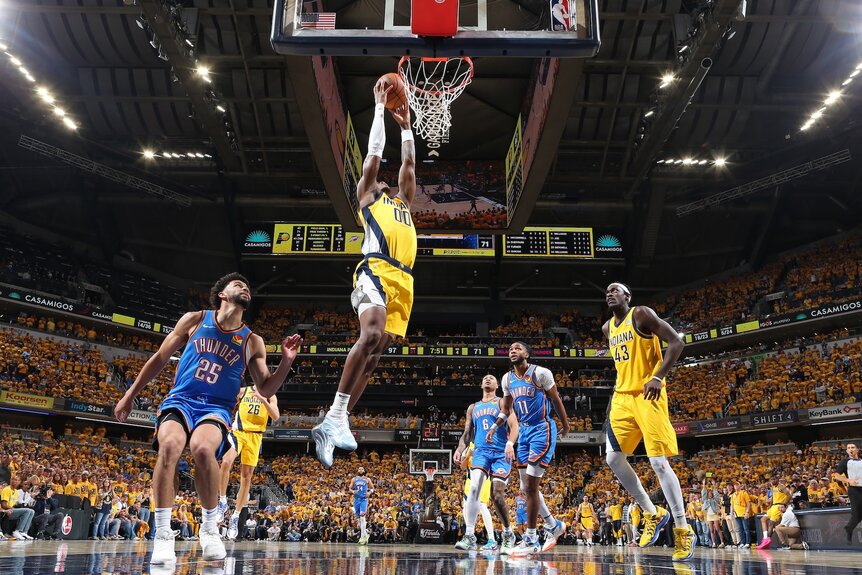
What Makes a Playoff Upset So Exciting for Fans
Every fan knows the feeling: the favorite looks comfortable, the broadcast crew sounds certain, and then the whole game starts tilting in the wrong direction. That is where the magic begins, because a playoff upset does more than change a bracket; it shakes the emotional floor under everyone watching. In the United States, where postseason sports sit at the center of local pride, office debates, family traditions, and weekend plans, one unexpected result can take over a city overnight. Fans do not only remember the final score. They remember where they were, who they watched with, and the exact moment doubt turned into belief.
That emotional spark is why sports storytelling still matters, whether fans follow a team through local radio, national broadcasts, social feeds, or trusted community-driven media platforms like sports news networks. A big upset gives people something rare: the sense that certainty was never as solid as it looked. Favorites may have better records, deeper benches, and louder expectations, but pressure has a strange way of opening the door for the team nobody feared enough.
Why Playoff Drama Feels Bigger Than Regular-Season Surprise
Regular-season surprises can be fun, but they rarely carry the same weight as postseason chaos. A January basketball win, an October football shocker, or a late-summer baseball comeback might make headlines for a day, yet playoff drama hits harder because everything feels final. There is no long schedule left to smooth out mistakes. One bad quarter, one missed tackle, one cold shooting night, or one bullpen collapse can turn months of work into a painful offseason.
How elimination pressure changes the emotional stakes
Elimination games turn every ordinary sports moment into something sharper. A routine third down feels heavier. A free throw looks lonely. A fly ball hangs in the air long enough for an entire stadium to hold its breath. Fans sense that the athletes are not only playing the opponent; they are playing against time, nerves, and the knowledge that one mistake may follow them for years.
That pressure makes postseason underdogs dangerous in a way regular-season underdogs are not. The team with less to lose often plays freer, while the favorite carries the weight of expectation like a wet coat. You can see it in the body language: one sideline starts bouncing, the other starts staring at the scoreboard. That contrast fuels playoff drama because the emotional roles reverse right in front of the audience.
American fans respond to that tension because postseason sports already feel personal. A city that has waited decades for a championship does not watch calmly. A college town chasing a historic run does not treat the game as entertainment only. The pressure spreads from the players to the stands, the living rooms, the sports bars, and every group chat that has already decided what the result is supposed to mean.
Why the favorite’s fear becomes part of the show
Favorites are supposed to be safe. That is the trap. When a top seed starts losing control, fans can feel the panic even before the score fully shows it. Passes get tighter, shots come earlier in the clock, coaches shorten rotations, and the crowd begins reacting to danger instead of dominance.
The strange truth is that many fans enjoy watching a favorite get uncomfortable, even when they respect the team. It proves that reputation cannot play the game for you. A roster full of stars still has to handle the next possession, and a decorated coach still has to make the right adjustment under noise and pressure. Nothing gets carried over from the regular season once the underdog refuses to cooperate.
That fear creates a second contest inside the game. The scoreboard tells one story, but the favorite’s posture tells another. When a heavily favored NFL team starts punting from cautious field position, or a No. 1 college basketball seed stops attacking the rim, fans see doubt become visible. That is when a quiet upset starts feeling possible, and possible is the most dangerous word in sports.
The Underdog Story Gives Fans Someone to Believe In
The underdog is not exciting only because it wins unexpectedly. The underdog is exciting because it invites fans into a cleaner emotional bargain: believe before the evidence is complete. That bargain has powered American sports for generations, from small-market baseball teams taking down payroll giants to mid-major college basketball programs turning March into a national stage. Fans love dominance, but they love defiance more.
Why underdog teams make neutral fans pick a side
Neutral fans rarely stay neutral for long when underdog teams start pushing back. A person with no stake in the matchup can watch five minutes of fearless play and suddenly care deeply about a roster they could barely name before tipoff. That shift happens because the underdog gives the audience an easy emotional doorway. You do not need history with the team. You only need to recognize courage when you see it.
Underdog teams also make sports feel more democratic. The bigger brand may have the money, the recruiting edge, the star power, and the television attention, but the game still begins at zero. That matters in the United States, where fans often connect sports to ideas about grit, local pride, and earning your shot. The upset does not erase inequality in sports, but it does interrupt it long enough for everyone to lean forward.
There is a counterintuitive piece here: the underdog does not need to look perfect to become lovable. Sloppy possessions, odd rotations, and awkward offensive sets can make the run feel more human. Fans are not always drawn to polish. Sometimes they want the team that looks like it is surviving on nerve, timing, and one player having the night of his life.
How local identity turns one win into a shared memory
Local identity makes underdog stories stick. When a smaller city, public university, or overlooked franchise beats a national power, the win does not stay inside the arena. It spills into diners, campus sidewalks, neighborhood bars, high school gyms, and local morning shows. The result becomes proof that the place itself was underestimated.
That is why underdog teams often gain fans far beyond their usual base during the playoffs. A team from a smaller market can become America’s temporary favorite because the story feels clean and easy to enter. You do not have to understand every tactical detail to understand a community being taken seriously for the first time in a while.
The memory also lasts because people attach it to ordinary life. Someone remembers watching with their dad after a long shift. Someone remembers a dorm hallway exploding after a buzzer-beater. Someone remembers a downtown street filling with car horns after midnight. The box score fades, but the shared feeling stays bright because it belonged to more than the athletes.
Momentum Swings Make Fans Feel the Game Changing in Real Time
Great postseason games rarely move in a straight line. They bend, snap, and lurch. Momentum swings are the reason a comfortable lead can feel fragile and a struggling team can suddenly look destined. Fans may not always agree on tactics, but they know when a game’s emotional temperature changes. You can hear it before you can explain it.
Why one play can rewrite the entire atmosphere
One play can change the way a stadium breathes. A blocked punt, a stolen base, a chase-down block, or a three-pointer from the corner can do more than add points. It can make the favorite rush, make the underdog believe, and make the audience start questioning the script they accepted ten minutes earlier.
Momentum swings matter because sports are played by humans, not spreadsheets. A team can prepare for every matchup on film and still lose its rhythm when a crowd erupts after a loose ball scramble. Confidence is not a graphic on a broadcast. It is a living thing, and once it moves from one bench to the other, the favorite may spend the rest of the night trying to get it back.
Fans love that transfer of belief because it feels almost physical. The room changes. People stand up without deciding to stand. Text messages arrive faster. Broadcasters raise their voices. A game that looked settled suddenly starts demanding everyone’s full attention, and that demand is part of the thrill.
How crowd noise turns pressure into performance
Crowd noise does not score points, but it changes how pressure feels. Home fans can make an underdog braver, and road fans can make a favorite hear every mistake twice. During American playoff games, especially in basketball and football, noise becomes a kind of weather. Players have to operate inside it whether they like it or not.
The odd part is that the underdog can borrow energy from almost any crowd once the upset feels real. Neutral arenas begin leaning toward chaos. Road crowds grow anxious when the favorite cannot pull away. Even fans watching at home start acting like their attention matters, as if leaning closer to the television might push the next shot through.
That emotional participation separates postseason viewing from ordinary entertainment. Fans are not passive witnesses. They are reading faces, sensing tempo, arguing over calls, and feeling each small shift in control. Momentum swings work because they make the audience feel included in the turning of the game.
Upsets Remind Fans That Sports Still Resist Prediction
Modern sports coverage loves prediction. Power rankings, betting lines, matchup models, injury reports, and expert panels all try to reduce uncertainty before the game starts. Those tools can be useful, but the best playoff upset reminds fans that sports still protect a small, wild corner from certainty. The favorite can be right on paper and wrong on the night.
Why analysis makes surprise even sweeter
Analysis does not ruin surprise. It often makes surprise better. When every chart, seed line, and preview segment points in one direction, the upset gains shape. Fans know exactly what was supposed to happen, so they understand the scale of what did happen when the underdog tears the plan apart.
This is why American sports culture can obsess over predictions and still celebrate when they fail. The pregame certainty becomes fuel for the postgame story. Every confident panel pick, every lopsided betting line, every “they have no chance” comment becomes part of the emotional receipts fans collect afterward.
The smarter takeaway is not that experts know nothing. The better point is that games contain variables no preview can fully hold. A role player gets hot. A star tightens up. A coach finds one matchup nobody expected. A goalie turns into a wall for three hours. Prediction can frame the stage, but it cannot walk onto it and make the play.
What fans take from the chaos after the final whistle
After the final whistle, fans begin the real work of meaning-making. They argue about the turning point, replay the missed call, praise the unlikely hero, and decide whether the result was a fluke or a warning. That debate keeps the game alive long after the broadcast ends.
Upsets also give fans permission to hope in future games. A team down in a series no longer looks finished. A lower seed in another bracket suddenly seems less doomed. The impossible result becomes evidence that other impossible things may be waiting nearby. That is why one shock can change the mood of an entire postseason.
A playoff upset keeps fans coming back because it protects the one promise sports can still make honestly: nobody knows everything before the game begins. The next time a favorite looks untouchable, watch the first few minutes with more care than certainty. The crack in the story may arrive early, and if you notice it before everyone else, the whole night becomes more fun.
Frequently Asked Questions
Why do fans love playoff upsets so much?
Fans love them because they break expectations at the exact moment stakes are highest. A weaker seed beating a favorite gives people drama, tension, and a story worth retelling. It also proves that reputation, money, and past success cannot replace execution under pressure.
What makes underdog teams exciting in the postseason?
Underdog teams feel exciting because they play against both the opponent and public doubt. Fans see hunger, risk, and belief in every possession. That emotional contrast makes each defensive stop, scoring run, or late-game answer feel bigger than it would in a normal matchup.
How does playoff drama affect fan engagement?
Playoff drama keeps fans emotionally locked in because every moment feels connected to the final result. People watch longer, discuss more, share reactions faster, and remember details more clearly. High-stakes uncertainty turns casual viewers into active participants.
Why are momentum swings so powerful in playoff games?
Momentum swings are powerful because they change confidence on both sides. One big play can make an underdog loosen up while the favorite starts pressing. Fans sense that shift immediately, which makes the game feel alive rather than predictable.
Do playoff upsets help grow a team’s fan base?
Yes, a major upset can introduce a team to fans who had not paid attention before. Neutral viewers often rally around the unexpected winner, especially when the team represents a smaller market, overlooked program, or gritty identity that feels easy to support.
Why do favorites struggle during postseason upsets?
Favorites often struggle because pressure changes decision-making. Players may become cautious, coaches may tighten rotations, and teams may drift away from what made them successful. When the underdog keeps attacking, the favorite can start reacting instead of controlling the game.
Are playoff upsets more memorable than championship wins?
Many upsets become as memorable as title games because they carry shock value. A championship may confirm greatness, but an upset changes what fans believed was possible. The surprise gives the moment a different kind of staying power.
How can fans spot a possible postseason upset early?
Watch body language, pace, rebounding effort, turnovers, and how the favorite responds after mistakes. A possible upset often shows up before the score does. When the underdog looks calm and the favorite looks rushed, the game may already be shifting.