
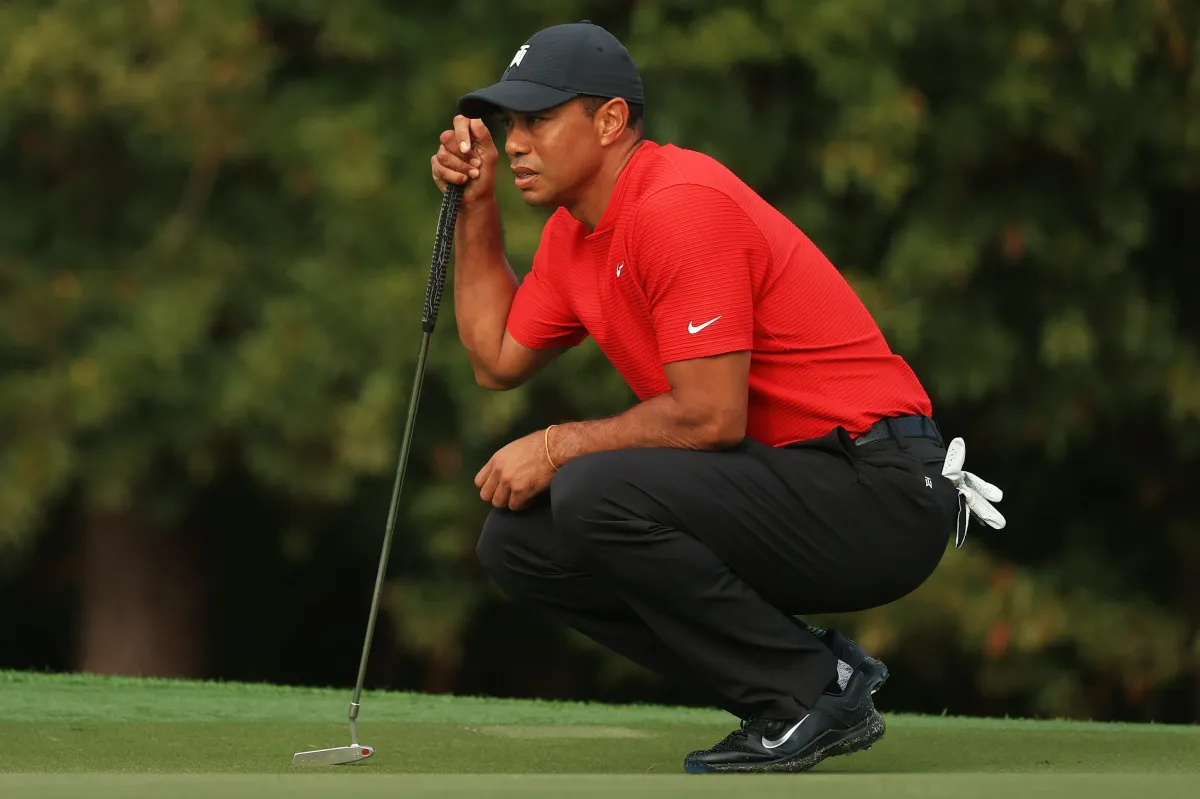
Tiger Woods Career Comeback Story Against Every Medical Expectation
The most telling part of Tiger Woods’ return was not the roar at Augusta. It was that the Career Comeback Story had no clean medical script, no safe timeline, and no neat promise that one more round of rehab would put the old player back together. American sports fans had seen aging stars return before, but this felt different. Back surgeries, knee trouble, nerve pain, and later a severe leg injury turned golf’s smoothest winner into a man trying to walk the course before he could even think about winning it. That is why his return still holds weight beyond golf. It was not a fairy tale about refusing to quit. It was a hard case study in rebuilding a body that had already paid for decades of greatness. For readers who follow major sports comeback coverage, Woods offers a rare lesson: talent can open the door, but survival asks for something colder, slower, and less glamorous than confidence.
The Body That Made the Legend Also Set the Trap
Woods did not become Woods by swinging gently. His prime was built on speed, force, torque, and a level of control that made other great players look cautious. That same force helped him win 82 PGA Tour events and 15 major championships, according to his official biography and PGA Tour profile. It also helped explain why the bill came due later. Golf looks calm on TV, but an elite swing can punish the back, knees, hips, ankles, and feet, especially when a player repeats it for decades under tournament stress.
Why Tiger Woods injuries changed the way fans saw golf
For years, casual fans treated golf injuries as background noise. A sore back here. A stiff knee there. Then Tiger Woods injuries became part of the main event. Viewers watched him win, disappear, return, limp, withdraw, and start again. That cycle forced people to see golf as a power sport with quiet damage.
The strange part is that Woods’ body did not fail because he lacked discipline. It failed in part because he had so much of it. He trained hard, chased speed, and carried a winning standard that left little room for easing off. That is the uncomfortable lesson. Elite habits can extend a career, but they can also deepen the wear.
You saw it in how he moved after each return. The swing still had flashes of old violence. The walk told another truth. A golfer can hide pain for one shot, maybe one hole, but not for 72 holes across hills, uneven lies, and long waits between swings.
Spinal fusion recovery made the old expectations useless
Spinal fusion recovery changed the question from “Can Tiger win again?” to “Can Tiger live without constant pain and still compete?” That shift mattered. Fans wanted the red shirt and the Sunday charge, but the first battle was smaller and more private. Could he bend? Could he rotate? Could he practice the next day?
The 2018 Tour Championship at East Lake gave the first serious answer. Woods won for the first time on the PGA Tour in five years, and the scene felt less like a normal trophy ceremony than a public release of tension. People walked behind him on the fairway as if they knew they were seeing a repaired athlete beat time for one weekend.
That win also corrected a lazy idea about recovery. Coming back does not always mean returning to the same body. It can mean learning a new set of limits and still finding enough room inside them to compete. That is harder than pretending the past never happened.
Why the Career Comeback Story Defied the Normal Golf Script
Most golf returns follow a tidy fan pattern. The player gets healthy, finds form, posts a few strong finishes, and then tries to win. Woods’ return did not move that cleanly. His body kept changing the terms. One season gave hope. The next brought another medical problem. That is why his comeback did not feel like a chapter. It felt like an argument between memory and reality.
The 2019 Masters victory was not built on nostalgia
The 2019 Masters victory mattered because Woods did not win it as a ceremonial figure. He solved Augusta. He managed risk, waited through mistakes from others, and kept his mind steady when younger bodies had more freedom. The old Tiger could overpower courses. This version had to out-think one.
That is why the win aged well. It was not a flashback. It was adaptation under pressure. At 43, with a fused back and a long major drought behind him, Woods found a way to let the course come toward him instead of forcing the whole tournament to bend.
The non-obvious part is that reduced physical freedom may have sharpened his choices. When a player knows he cannot waste energy, he sometimes stops chasing shots that look heroic but cost too much. Augusta rewards nerve, but it also rewards restraint. Woods had both that week.
The walk after the win said what numbers could not
The hug with his son after the 2019 Masters victory became the image most fans kept. It mirrored the famous hug with his father after the 1997 Masters, but the feeling was not the same. In 1997, the hug marked arrival. In 2019, it marked return from damage.
That difference matters for American sports culture. Fans love dominance, but they often remember repair more deeply. A perfect champion can feel distant. A wounded one who finds one more Sunday can feel close enough to touch.
Still, the win did not erase the medical history. It sat on top of it. That is what gave the moment its power and its sadness. Everyone knew the body had limits. Everyone also knew he had stolen one more major from a future that had seemed closed.
Augusta Changed the Meaning of the Return
After Augusta, Woods no longer had to prove the return was real. He had already done the impossible-looking part. Yet that created a new tension. Once a comeback becomes legendary, every later appearance gets judged against it. That can be unfair. It can also be revealing. The 2019 win turned Woods from a former champion trying to play again into a measure of how much pain an athlete can absorb before the sport finally pushes back.
A champion can win and still be losing ground physically
This is the part fans struggle to hold in their heads. Woods could win a major and still be moving toward a harder physical future. Both things can be true. The scoreboard showed victory. The body still carried years of stress.
That is why his later limited schedule made sense. He no longer needed a full season to prove greatness. He needed select chances, careful preparation, and courses where experience could cover some of the physical gap. Augusta fit that better than most places because knowledge there has weight.
A useful comparison is the aging pitcher who loses fastball speed but learns how to place every pitch. The player is not the same. The challenge is not to deny decline. The challenge is to turn less into enough.
The medical comeback changed how fans judged effort
Before Woods’ injuries, fans judged him by wins. Afterward, they started judging small signs. Could he finish a round? Could he walk without heavy strain? Could he play back-to-back days? The standard shifted because the visible fight changed.
That does not mean fans lowered the bar out of pity. It means they saw more of the real contest. Golf had always been about the scorecard, but Woods made people notice the walk from green to tee. That walk became part of the drama.
For readers who follow golf performance and pressure stories, this is the deeper point. A comeback is not one event. It is a series of daily negotiations between ambition and pain. Woods made those negotiations public without turning them into speeches.
What His Later Setbacks Teach About Athletic Survival
The 2021 car crash and later injuries added a harsher chapter. The old comeback question had been about whether Woods could win again after back trouble. The newer question became whether he could keep returning to competitive golf at all. After his 2025 ruptured left Achilles tendon and surgery, even hopeful fans had to admit the road had narrowed.
Tiger Woods injuries became a test of identity, not fame
Tiger Woods injuries eventually stopped being a list of medical events and became a question of identity. What is a golfer when walking hurts? What is a champion when practice creates risk? What remains when the thing that made you famous keeps asking more than your body wants to give?
Woods’ answer has never been sentimental. He keeps tying himself to competition, but not in a loud way. He hosts, advises, appears, trains, and measures what might still be possible. That kind of survival does not give fans the rush of a Sunday charge, but it may be more honest.
The counterintuitive lesson is that restraint can be a form of competitiveness. Sitting out can protect the next chance. Skipping a tournament can be an athlete’s way of refusing to turn one bad week into six bad months.
Spinal fusion recovery was only one chapter of the larger repair
Spinal fusion recovery gave Woods a path back to the winner’s circle, but it did not grant him a new body. Later leg, ankle, foot, and tendon problems reminded everyone that one successful repair does not cancel the whole history. Bodies keep records even when fans prefer highlights.
That is why the 2019 Masters should not be used to demand endless miracles from him. It should be read as proof of what can happen when skill, timing, course memory, and pain control line up for one rare week. Rare is the key word.
For anyone building a sports recovery timeline guide, Woods is the example that keeps simple advice honest. Rehab is not a straight staircase. It is more like a course with hidden slopes. You can play the right shot and still get a bad bounce.
Conclusion
Tiger Woods’ return still matters because it refuses to become a clean motivational poster. The best reading is tougher than that. His body broke down under the same pressure that helped make him great, and his later wins did not erase the cost. They exposed it. The Career Comeback Story endures because it shows how narrow the space can be between genius and damage. Most athletes never get one true second act. Woods found one at East Lake, then another at Augusta, and then kept facing new limits that made each step harder. That does not weaken the achievement. It makes it more human. You do not have to be a golf fan to understand the larger point: repair is not the opposite of pain. Sometimes repair is learning how to carry pain with more skill. Woods gave American sports one of its clearest examples of that truth, and the lesson still walks slowly down every fairway he tries to play.
Frequently Asked Questions
What made Tiger Woods’ return so hard medically?
Back surgeries, leg trauma, knee problems, and tendon injuries all affected parts of the body a golfer needs for balance, rotation, and walking. His challenge was not one repair. It was competing after several repairs changed how his body moved under pressure.
Why was the 2019 Masters win such a big deal?
It ended an 11-year major championship drought and came after serious back issues that had raised doubts about whether he could compete at that level again. The win mattered because he beat a major field, not because fans wanted a nice memory.
Did Tiger Woods change his swing after surgery?
Yes, his swing became less dependent on the same violent lower-body action that marked parts of his prime. He still created speed, but he had to protect his back and manage what his body could handle across a full tournament.
How did the 2018 Tour Championship affect his comeback?
It gave proof before Augusta. Winning at East Lake showed that Woods could close a PGA Tour event again after years without a victory. It turned belief from fan emotion into something backed by a real scoreboard.
Is Tiger Woods still capable of winning another major?
It is possible, but the path is narrow. He would need health, a course that rewards experience, sharp short-game control, and four days of walking without major physical decline. Augusta remains his most logical chance if he returns healthy.
Why do fans connect so strongly with Tiger Woods’ injuries?
Fans saw the cost in public. They watched him limp, withdraw, recover, and try again. That made the struggle easier to understand than a private injury report. His pain changed the way people viewed golf toughness.
What can young athletes learn from his comeback?
Talent does not protect the body from overuse. Training, recovery, and smart scheduling matter more as an athlete ages. Woods’ journey shows that greatness can demand sacrifice, but smart limits may extend a career longer than pride.
Was Tiger Woods’ comeback the greatest in sports history?
It belongs in the highest tier because he returned from career-threatening back problems to win the Masters. Other sports have great returns too, but few combine global attention, medical doubt, age, pressure, and a major championship finish like his did.